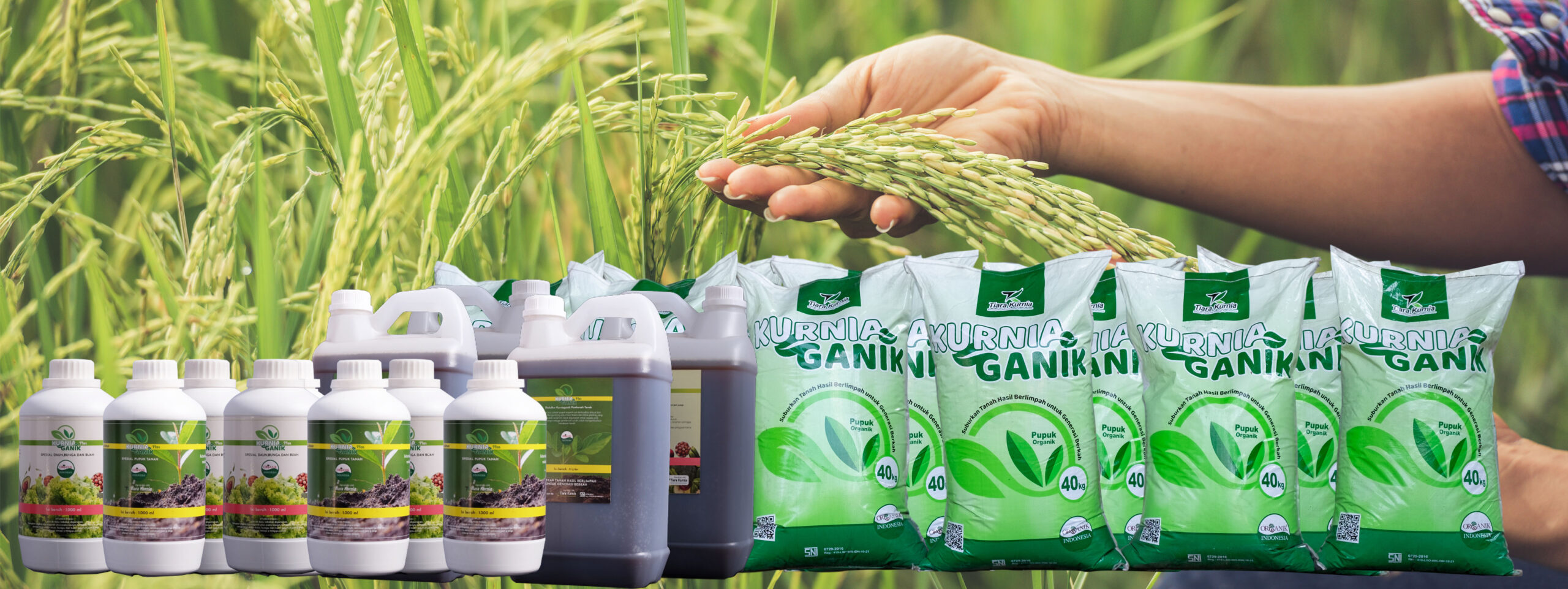

Organic Fertilizer is the future of world agriculture
Fertilization is a critical component of modern agriculture, directly influencing crop productivity and soil health.
Introduction
Fertilization is a critical component of modern agriculture, directly influencing crop productivity and soil health. Farmers traditionally rely on two main types of fertilizers: organic and chemical (synthetic) fertilizers. While chemical fertilizers offer rapid nutrient availability, the long-term importance of organic fertilizers lies in their ability to sustain soil ecosystems and promote environmentally responsible farming.
Understanding the Difference
Organic fertilizers are derived from natural sources such as compost, manure, plant residues, and organic waste. They release nutrients gradually through biological processes.
In contrast, chemical fertilizers are industrially manufactured compounds designed to deliver specific nutrients (such as nitrogen, phosphorus, and potassium) in highly concentrated and readily available forms.
Why Organic Fertilizers Are Important
1. Long-Term Soil Health
Organic fertilizers improve soil structure, aeration, and water retention. They increase organic matter content, which is essential for maintaining soil fertility over time. Chemical fertilizers, when overused, can degrade soil structure and reduce its natural productivity.
2. Enhancement of Soil Microbiology
Organic inputs stimulate the growth of beneficial microorganisms that play a key role in nutrient cycling. These microbes help convert nutrients into forms accessible to plants. Chemical fertilizers do not support microbial life and, in some cases, may suppress it.
3. Sustainable Nutrient Release
Organic fertilizers release nutrients slowly and steadily, reducing the risk of nutrient leaching and volatilization. This contrasts with chemical fertilizers, which often release nutrients rapidly, leading to inefficiencies and environmental loss.
4. Environmental Protection
Excessive use of chemical fertilizers can lead to water pollution through runoff, contributing to eutrophication in rivers and lakes. Organic fertilizers are more environmentally friendly, minimizing ecological damage and promoting sustainable agriculture.
5. Reduced Risk of Soil Degradation
Continuous application of synthetic fertilizers can lead to soil acidification, salinity buildup, and nutrient imbalance. Organic fertilizers help buffer soil pH and maintain a balanced nutrient profile.
6. Improved Crop Quality
Crops grown with organic fertilizers often show better quality in terms of taste, texture, and nutritional value, as nutrient uptake occurs in a more natural and balanced manner.
Limitations of Organic Fertilizers (Balanced View)
For a fair comparison, it is important to acknowledge that organic fertilizers also have limitations:
- Lower nutrient concentration compared to chemical fertilizers
- Slower nutrient release may not meet immediate crop demands
- Requires larger volumes and proper management
However, these limitations can be addressed through integrated nutrient management, combining organic and minimal chemical inputs when necessary.
Conclusion
The importance of organic fertilizers lies in their role in building a sustainable agricultural system. While chemical fertilizers provide short-term productivity gains, organic fertilizers ensure long-term soil fertility, environmental protection, and ecological balance. For future-oriented agriculture, prioritizing organic inputs is not just beneficial—it is essential.